

CHANDIGARH, MAY 16 — High petroleum rates and a recent upward revision in diesel prices have triggered sharp opposition from regional lawmakers, who contend the timing of the financial adjustment will disrupt the upcoming agricultural cycle.
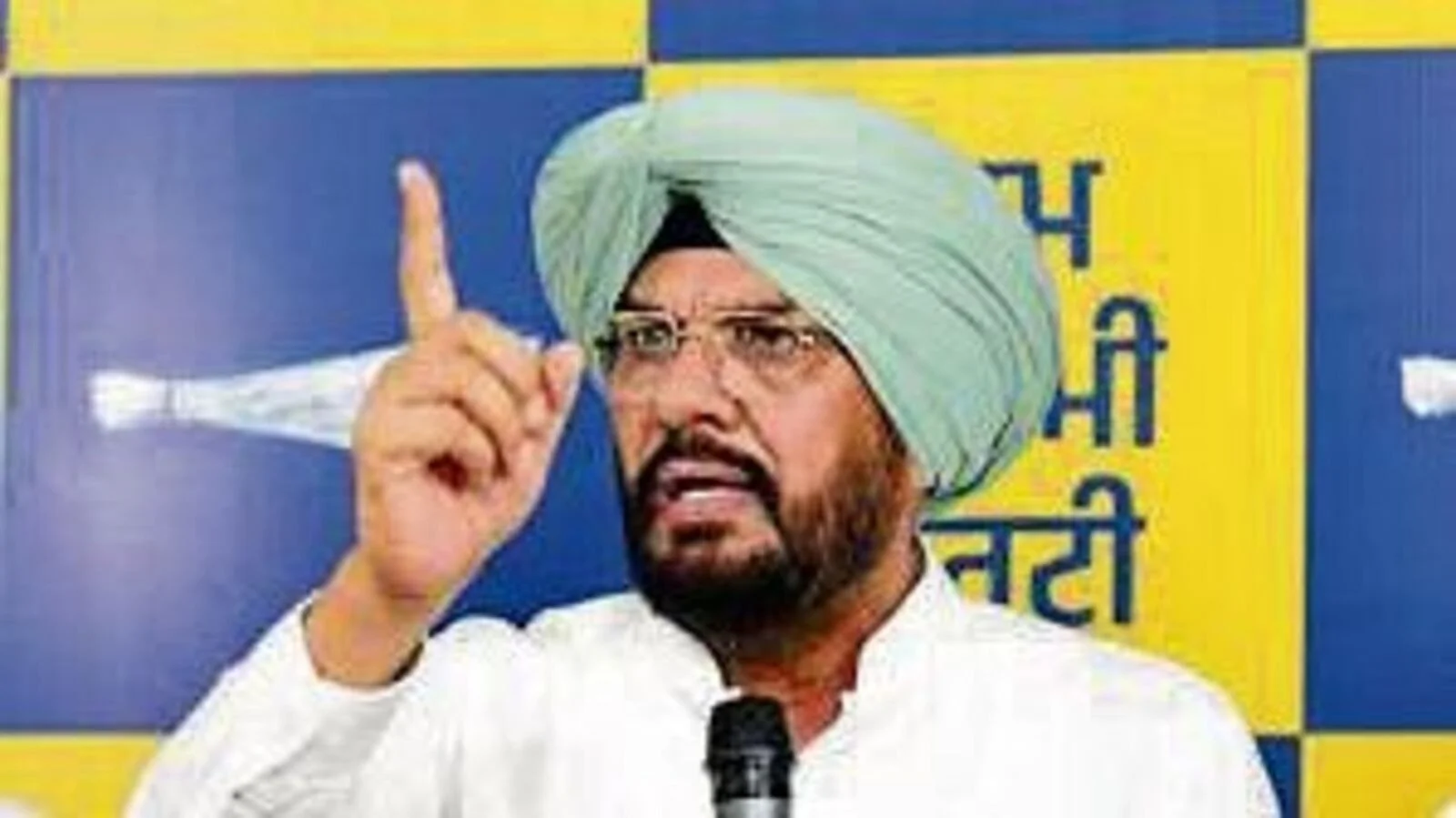
Aam Aadmi Party Punjab Chief Spokesperson and MLA Kuldeep Singh Dhaliwal voiced strong opposition to the central government’s fiscal choices during a joint media briefing on Friday with party leader Prabhvir Brar. The criticism centers on a ₹3.11 per litre increase in diesel costs, which arrives precisely as regional cultivators initiate seasonal field preparations.
“The timing of the diesel price hike has made the situation even more painful for Punjab’s farmers, as paddy sowing has already begun across the country, especially in Punjab,” Dhaliwal stated. He added that under the direction of Chief Minister Bhagwant Singh Mann, local infrastructure has expanded canal water access, but the heightened cost of fuel threatens to offset these regional advancements when full transplantation begins on June 1.
The AAP spokesperson linked the pricing changes to ongoing political friction between the central administration and northern agrarian states, suggesting the policy reflects unresolved tension following the historical repeal of national agricultural mandates.
“The Centre is still trying to settle political scores with Punjab by repeatedly burdening farmers and labourers through anti-people decisions,” Dhaliwal declared, referencing parallel disputes regarding the non-disbursal of the state’s Rural Development Fund.
Beyond domestic issues, the briefing addressed international trade agreements, with the opposition arguing that recent diplomatic shifts have impacted domestic energy markets. Dhaliwal maintained that the decision to alter crude oil import sources from traditional allies has exposed domestic consumers to higher global market volatility.
“India’s trusted ally Russia had been supplying crude oil at highly affordable rates ranging between $35 and $50 per barrel,” Dhaliwal noted. He asserted that a shift away from these purchasing agreements has directly fueled the current domestic inflation trend.
The party concluded by warning that increased transport overheads would quickly influence the retail cost of groceries and daily staples, urging an immediate re-evaluation of the pricing structure before widespread economic consequences impact household budgets.