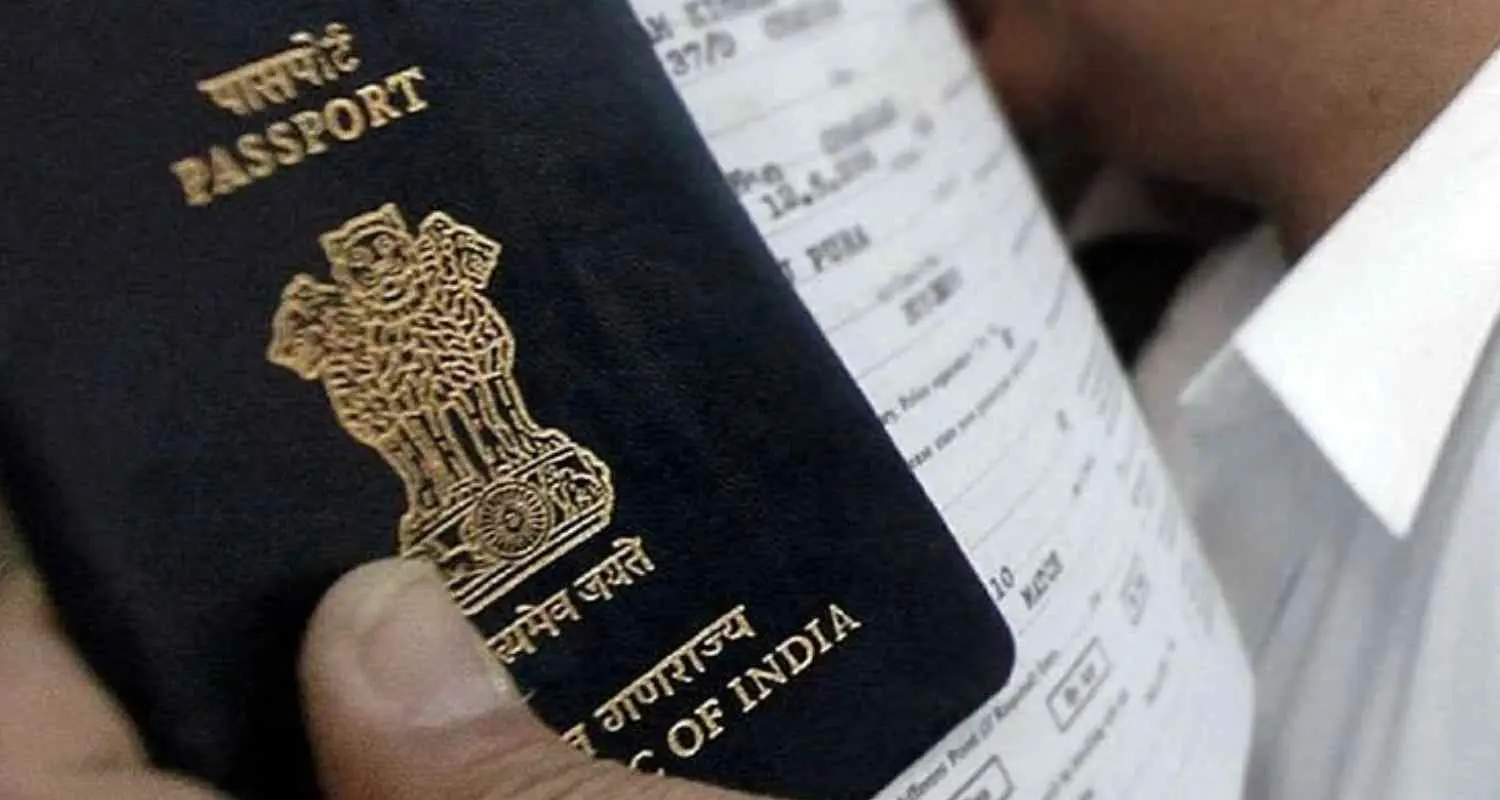


New Delhi, June 25: Official sources have declared that an Indian passport has never served as conclusive proof of citizenship, clarifying that no new decision on the status of the document has been taken over the past 12 years. The statement follows recent media reports concerning a Ministry of External Affairs briefing which noted that a passport functions primarily as a travel document rather than a tool to establish legal nationality.
According to government officials, the current understanding aligns directly with long-standing statutory guidelines and judicial precedent. Under Section 20 of the Passports Act of 1967, the central government retains the authority to issue travel documents to non-citizens under specific public interest circumstances, meaning the possession of the document does not inherently guarantee citizenship. Furthermore, authorities pointed to a 2013 Bombay High Court ruling which explicitly affirmed that a passport is not definitive evidence of citizenship rights, which are instead governed by the Citizenship Act of 1955.
The clarification has drawn sharp reactions from opposition leaders and cultural figures on social media. Rajya Sabha MP Kapil Sibal questioned the broader administrative implications of the statement, asking which documentation is left to protect voting rights if a passport can be set aside. Trinamool Congress leader Mahua Moitra also voiced strong criticism regarding the transparency of the current standards, while lyricist Javed Akhtar termed the clarification highly irregular, questioning why such documentation would be granted without total verification of a recipient’s national status.
Amid the growing public debate, officials reminded that India does not utilize a single comprehensive document to certify citizenship status. The Press Information Bureau previously stated in a comprehensive set of guidelines that nationality can be established through various records related to place and date of birth in accordance with the Citizenship Rules of 2009. The administration maintained that the legal framework provides five distinct avenues for obtaining citizenship, including birth, descent, registration, naturalisation, and the incorporation of territory.