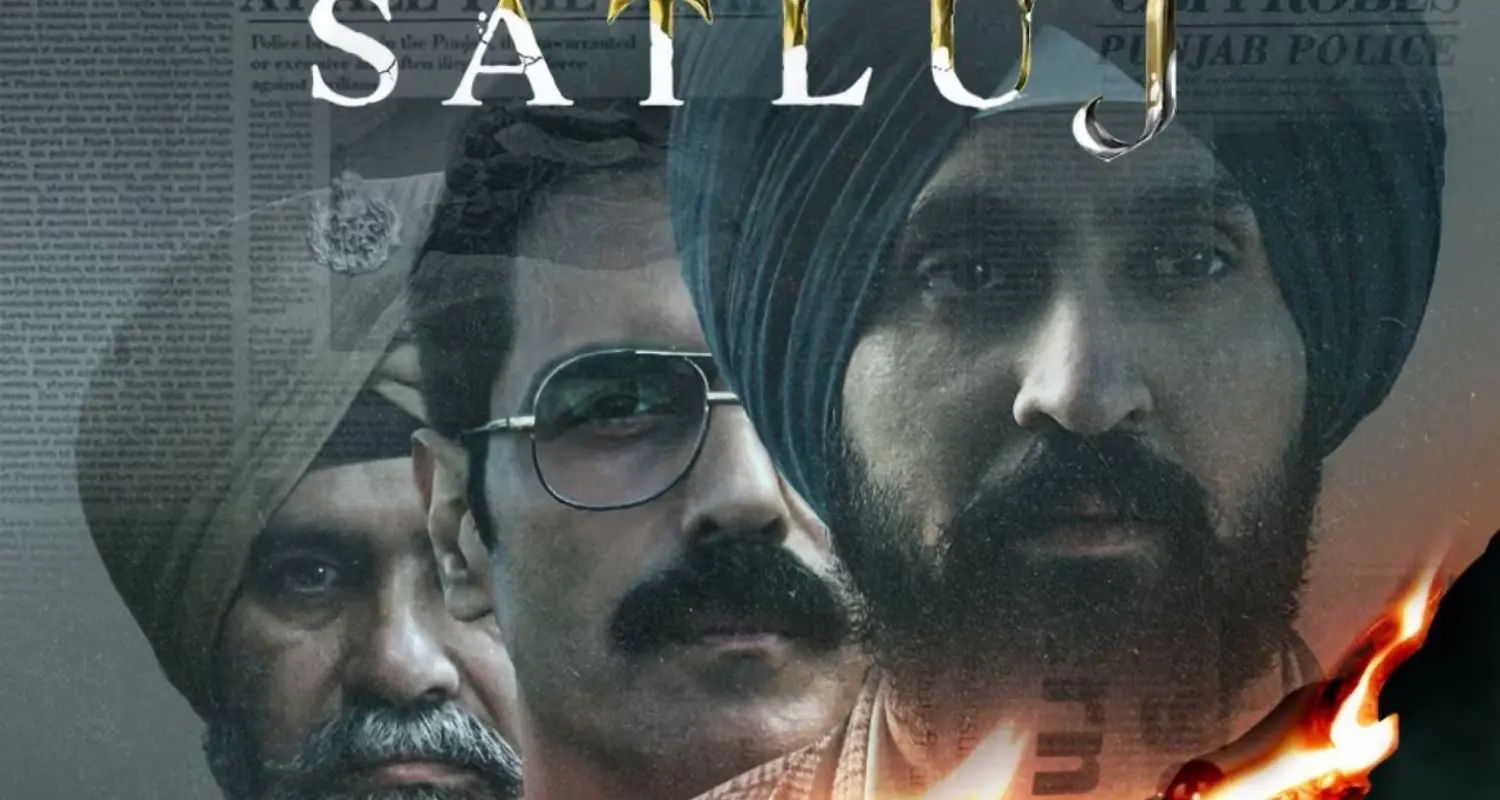


Chandigarh, July 7: Leaders from diverse political backgrounds and cultural bodies across Punjab have expressed concern over the decision to make the film ‘Satluj’ unavailable on ZEE5 India shortly after its release. They stated that the project touches on significant historical records and maintained that historical documentation should be accessible rather than limited through administrative updates.
The feature film, which stars Diljit Dosanjh as human rights activist Jaswant Singh Khalra, had officially entered streaming on July 3 under its new title after navigating years of standard regulatory reviews. However, the platform announced a pause in domestic access on Sunday evening while noting ongoing developments.
Read more: Satluj Taken Off Streaming Platform In India Shortly After Debut
Shiromani Akali Dal president Sukhbir Singh Badal expressed deep disappointment with the digital platform’s decision, describing it as an unfortunate situation for creative storytelling. In an online statement, Badal affirmed, “Punjab deserves to confront its past with honesty instead of suppressing it.” He added that stories concerning the region’s historic periods should be allowed to reach the public rather than being silenced through sudden restrictions.
Senior political leader Sukhpal Singh Khaira also shared his perspectives, drawing attention to the legacy of the prominent human rights worker depicted in the narrative. Khaira declared, “I strongly condemn the removal of Satluj film enacted by Diljit Dosanjh about police brutality in abducting and eliminating Prof Jaswant Singh Khalra, Human Rights activist in 1995.” He asserted that contemporary generations should have the opportunity to study these historical events to better understand past eras.
Adding to the conversation, AAP leader Malvinder Singh Kang observed that modern societies should remain open to evaluating all aspects of their past. Kang stated, “Censorship becomes dangerous when it prevents people from confronting difficult chapters of the past.” He urged for a balanced approach to administrative decisions regarding artistic content.
Cultural leadership similarly echoed these perspectives, focusing on the educational value of historical cinema. Shiromani Gurdwara Parbandhak Committee chief secretary Kulwant Singh Manan maintained that citizens possess an inherent interest in historic documentation. Manan asserted, “There was nothing wrong with presenting historical events through cinema and urged the government to allow people to watch the film.”