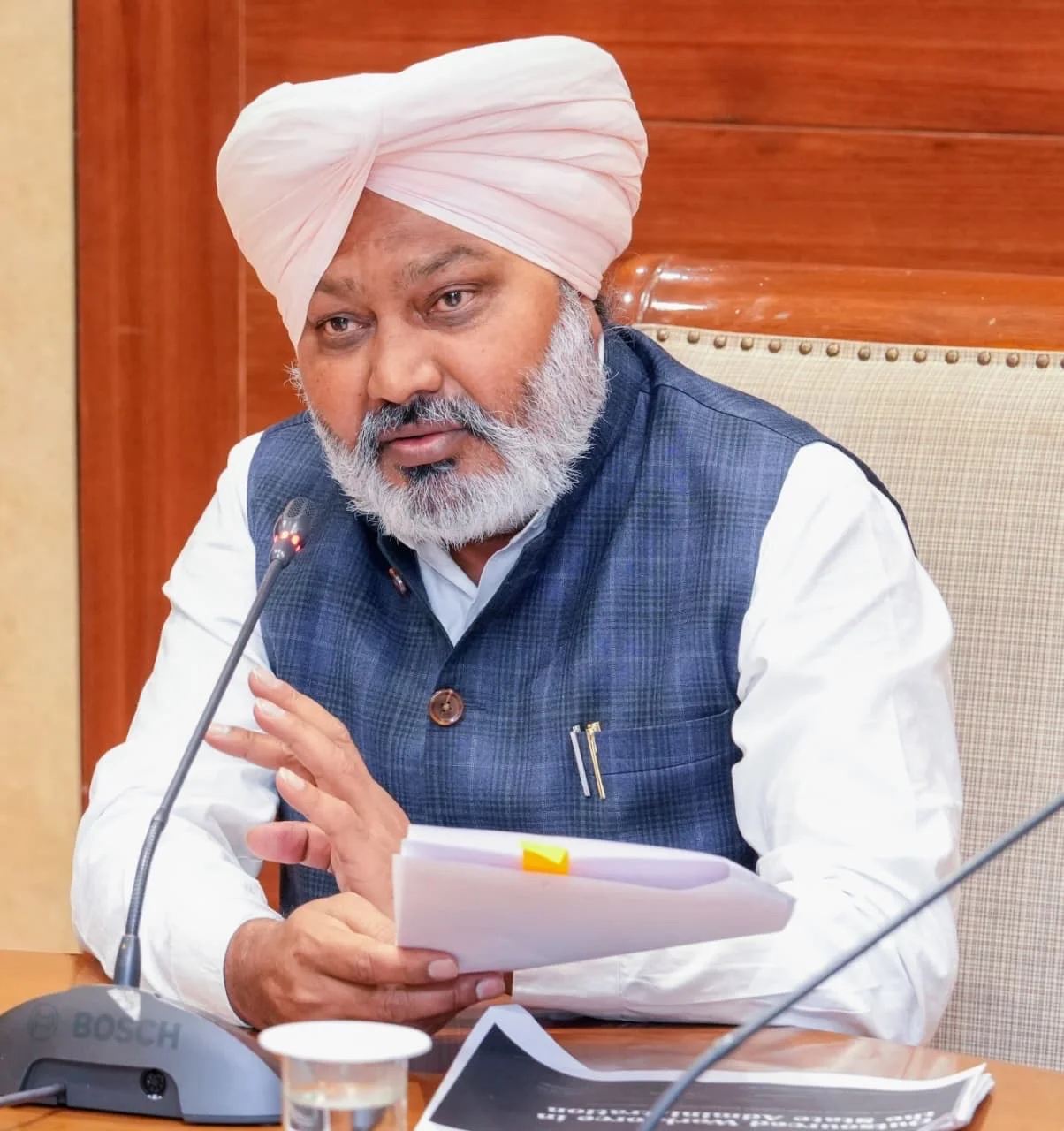


CHANDIGARH, JUNE 8 — Punjab Finance Minister Harpal Singh Cheema Sunday strongly criticized the union government’s decision to implement a ₹29 increase on domestic liquefied petroleum gas cylinders, stating the policy deepens the financial strain on vulnerable households. The senior Aam Aadmi Party leader called for an immediate withdrawal of the price hike, noting that working-class and middle-income families face severe economic pressure from cascading inflation.
The price adjustment follows consecutive increases in commercial gas rates, shifting the economic burden directly to household kitchens.
“The common citizen is being hit by inflation from every direction,” Cheema stated, tracking parallel cost increases across multiple energy sectors. “Prices of diesel, LPG, CNG, and other essential commodities continue to rise, making everyday life more expensive for millions of families.”
The finance minister challenged the federal administration’s rationale for the price shift, arguing that international conflicts are being used to justify domestic market pressures. State officials noted that using external events like the United States–Iran conflict serves as a shield for poor fiscal management.
“The BJP government is using international developments, including the USA-Iran war, as an excuse to impose additional financial burdens on citizens,” Cheema noted, pointing out that initial governance mandates focused on price stability have been completely abandoned.
The broader local economy has already felt the pressure of rising commercial energy costs over previous quarters. Local trade reviews show that street food vendors, neighborhood cafes, and independent caterers have operating margins heavily eroded by fuel costs.
“With domestic LPG prices now also rising, the financial pressure on households and small entrepreneurs will only intensify,” Cheema declared during his policy briefing.
The state leadership concluded that current federal strategies have systematically reduced real household purchasing power, demanding structured interventions to curb rising living costs instead of standard market increases.