

NEW DELHI, MAY 20 — The Delhi High Court on Wednesday directed the Union Government and the Central Board of Film Certification to review a petition seeking regulatory guidelines for spy-thriller films, following claims that certain cinematic depictions could compromise national security.
A division bench comprising Chief Justice DK Upadhyaya and Justice Tejas Karia ordered the Ministry of Information and Broadcasting and the censor board to treat the public interest litigation as a formal representation. The court noted that while standard commercial films are works of fiction intended for public entertainment, the practical impact of explicit operational depictions warrants institutional oversight.
“Tactics of the army or the force for meeting challenges and secrets are revealed, even if the movie may be fictional,” the bench observed during the proceedings. The court maintained that the structural issues raised by the litigant regarding the broadcast of military methodologies require a definitive policy decision from competent authorities.
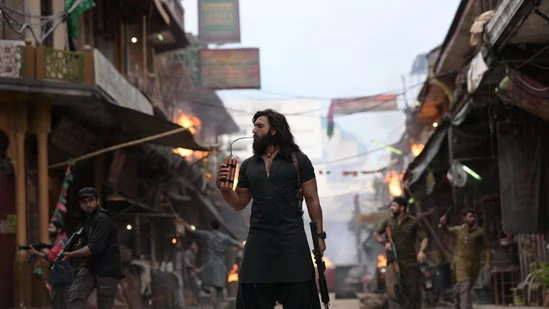
The petition was moved by Sashastra Seema Bal personnel Deepak Kumar, who argued through legal counsel Jagjeet Singh that the recent release, Dhurandhar: The Revenge, explicitly detailed operational locations and strategic maneuvers. The plea contended that the detailed depiction of characters modeled closely on actual military officials and martyred officers could prejudice national security interests.
The legal filing also cited previous cinematic releases, including Bell Bottom, Mission Majnu, Raazi, and Uri: The Surgical Strike, asserting that historical or fictional military projects should not place sensitive defense techniques into the public domain under the guise of creative license.
Disposing of the writ petition, the high court ordered regulatory bodies to examine the representation filed on March 23, 2026, implement appropriate corrective measures if required, and formally communicate the final decision to the petitioner.