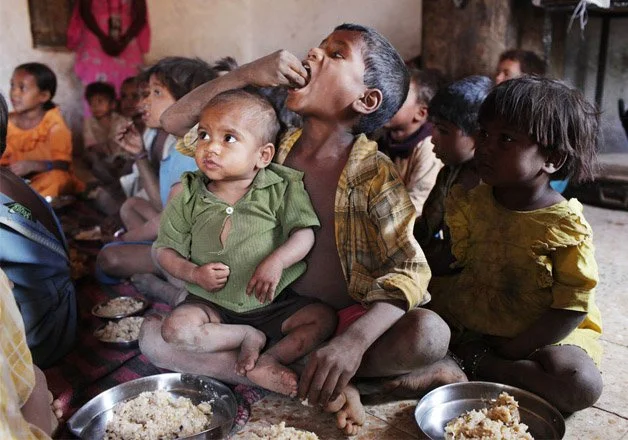


LUCKNOW, JUNE 8 — A comprehensive restructuring of the Take Home Ration scheme has transformed Uttar Pradesh into a central model for public nutrition, delivering specialized food products to nearly 15.6 million vulnerable residents each month. Managed by the Mahila Evam Bal Vikas Vibhag, the initiative aligns with federal food security laws to provide structured dietary support to pregnant women, lactating mothers, and developing children.
The large-scale intervention has contributed to a notable shift in regional public health metrics over recent monitoring cycles.
“The prevalence of stunting among children in Uttar Pradesh declined from 39.7 percent to 31.5 percent,” stated Harshita Mathur, Director of the Bal Vikas Evam Pushtahar and State Nutrition Mission, citing comparative tracking data from the National Family Health Survey. Mathur noted that parallel reductions in underweight and wasting metrics prove the targeted distribution is achieving tangible outcomes at the grassroots level.
To eliminate distribution losses, the state integrated digital verification tools throughout the supply network. Transit trucks utilize global positioning systems, while individual ration packets feature unique quick-response codes and require one-time password confirmation from recipients upon delivery.
The manufacturing framework also reordered rural labor dynamics by shifting production tasks to community-led organizations. Under the state rural livelihood mission, more than 4,000 local women now manage the production facilities, generating consistent income opportunities that stabilize village economies.
The division designed specific product lines, including fortified cereals and energy-dense supplements like Bal Sanjeevani and Sampoorna Matru Aahar, to meet the precise caloric requirements of separate age brackets. Officials maintained that combining modern tracking technology with local female leadership has established a highly transparent, accountable framework for addressing chronic physical wasting.