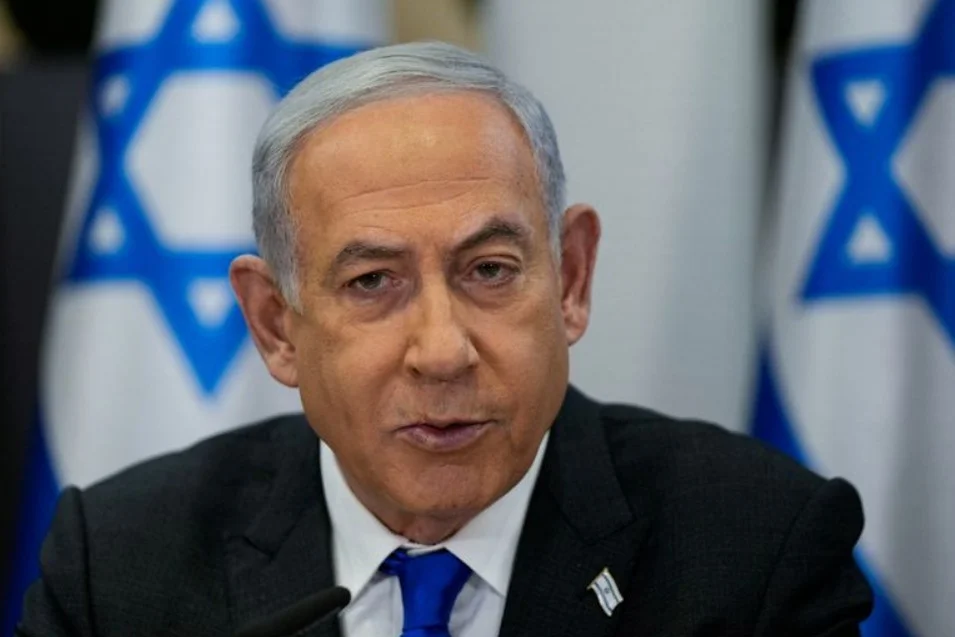


Washington, June 2: U.S. President Donald Trump announced Monday evening that he successfully convinced Israeli Prime Minister Benjamin Netanyahu to abandon a planned military strike on Beirut. The diplomatic intervention came amid intense regional friction, prompting the Israeli leader to turn his advancing forces around. The high-stakes discussion followed direct warnings from Iran threatening to terminate ongoing negotiations with Washington if the assault on the Lebanese capital proceeded.
Reports from U.S. media outlet Axios indicated the telephone exchange between the two heads of state grew highly contentious. Unnamed American officials disclosed that the U.S. President used sharp language to reprimand the Israeli leader, directly stating that his political survival and freedom relied heavily on American protection. Despite the behind-the-scenes friction, the immediate halt to the operation averted what would have been a major escalation in the regional conflict.
“I had a conversation with Bibi Netanyahu today, asking him not to go into a major raid of Beirut, Lebanon,” Trump stated in a social media message detailing the development. “He turned his Troops around. Thank you Bibi.”
The diplomatic breakthrough extended beyond Jerusalem, as the U.S. President noted he also held concurrent discussions with representatives of Hezbollah’s leadership. According to the administration, the Lebanese militant group consented to halt all active targeting of Israeli territory and personnel. Netanyahu had previously maintained that Israeli forces would continue striking targets within Beirut unless Hezbollah ceased its cross-border operations.
The sudden de-escalation occurred just as a fragile, two-month-old truce faced collapse due to a weekend exchange of strikes between U.S. military forces and Iran. Concurrently, Israeli ground units had been pushing deeper into Lebanese territory, marking their most significant border incursion in more than two decades despite the standing ceasefire framework.