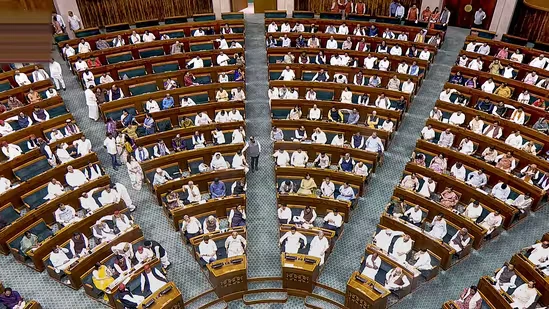


NEW DELHI, APRIL 18 — Despite the women’s quota becoming law three years ago, the path to implementation remains blocked following the recent defeat of the Constitution (131st Amendment) Bill in the Lok Sabha. The legislative failure, the first major defeat for the government in 12 years, leaves the current 543-seat House without a clear timeline for the 33% reservation.
The central conflict involves a specific sequence mandated by the 2023 Nari Shakti Vandan Adhiniyam, which requires a fresh census and a subsequent delimitation exercise before the quota can take effect. While the law is currently on the books as Article 334A, the government’s attempt to bypass the timeline by increasing Lok Sabha seats to 816 using 2011 census data was rejected by the Opposition.
The government argued that increasing the total number of seats is the most practical way to provide for women without reducing the number of “open” seats currently available. During the recent special session, Home Minister Amit Shah stated that if reservation were applied to existing seats in a state like Tamil Nadu, only 13 of the 39 seats would be reserved. He maintained that increasing the total to 59 would allow for 20 reserved seats while keeping 39 open for all candidates, asserting that this arithmetic benefits everyone.
However, the Opposition countered that the government itself created the legal barriers preventing immediate implementation. Congress leader KC Venugopal affirmed in the Lok Sabha that the provision requiring a census and delimitation was a government insertion. He asserted that the Opposition had requested the reservation be applied in time for the 2024 elections, regardless of the seat count.
Beyond the seat numbers, the issue of regional disparity and the “OBC question” remains a significant hurdle. With the 2021 Census only just beginning and including a caste-based count for the first time in nearly a century, the Opposition has declared that the lack of a sub-quota for Other Backward Classes (OBC) is a critical omission. Lawmakers noted that until these larger questions of representation are resolved, the 2023 law remains a legal reality that lacks a functional mechanism for the existing 543 seats.