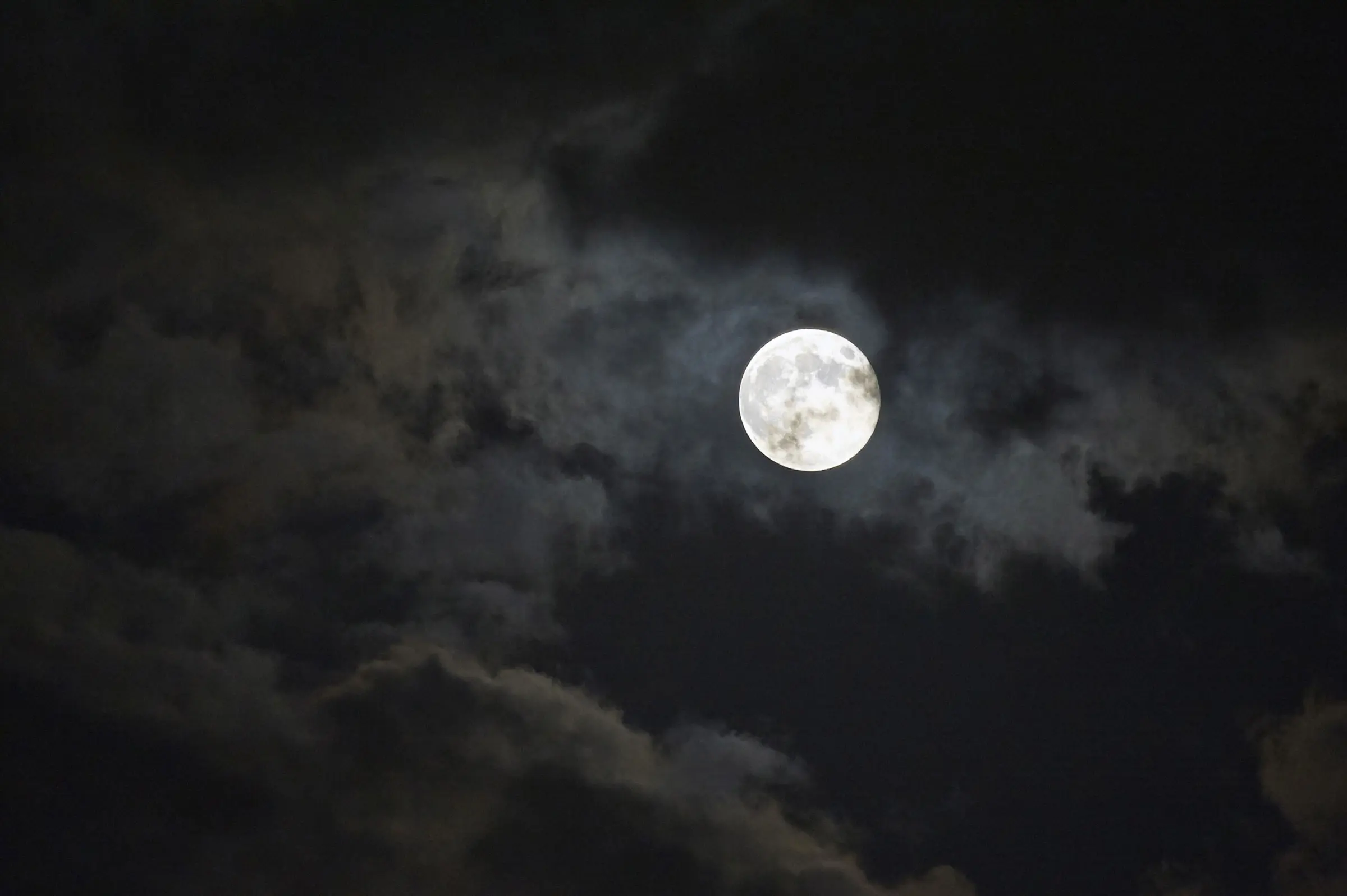


Chandigarh, April 1: The silver disk of the full moon hung heavy over the sleeping valley, a silent witness to a thousand forgotten secrets. The old ones say it is not a stone or a star, but the great, unblinking Eye of the Earth, opened wide once a month to watch over the wild things while the sun sleeps.
When the moon reaches its fullness, the boundary between the seen and the unseen grows as thin as a moth’s wing. In the deep woods, the shadows do not merely fall; they stretch and dance, detaching themselves from the trees to wander where they please. It is on these nights that the White Stag is said to appear, a creature of pure moonlight that leads lost travelers not to their homes, but to the places their hearts most desire to find.
The village elders tell of the “Silver Fever” that takes hold when the moon is at its peak. They warn the young to never sleep with the light of the full moon falling across their faces, lest the Moon Mother steal their dreams and replace them with visions of the tides and the high, cold mountains. They say the crickets sing louder on these nights to drown out the whispering of the stones, which wake up to tell stories of the world when it was new and made of fire.
In the reflection of the still black ponds, the moon is a door. If a person stands perfectly still and looks at the shimmering circle in the water, they might see the “Lady of the Pale Veil.” She is the weaver of the night, spinning the beams of light into the webs that catch the morning dew.
To the wolves, the full moon is a bell, calling them to the highest ridges to announce their presence to the sky. To the farmers, it is the “Cold Lantern,” a blessing that allows the harvest to continue long after the lanterns have sputtered out. But to the dreamers, it remains a mystery—a bright, celestial coin tossed into the velvet dark, promising that even in the deepest night, there is a light that can never be truly extinguished.