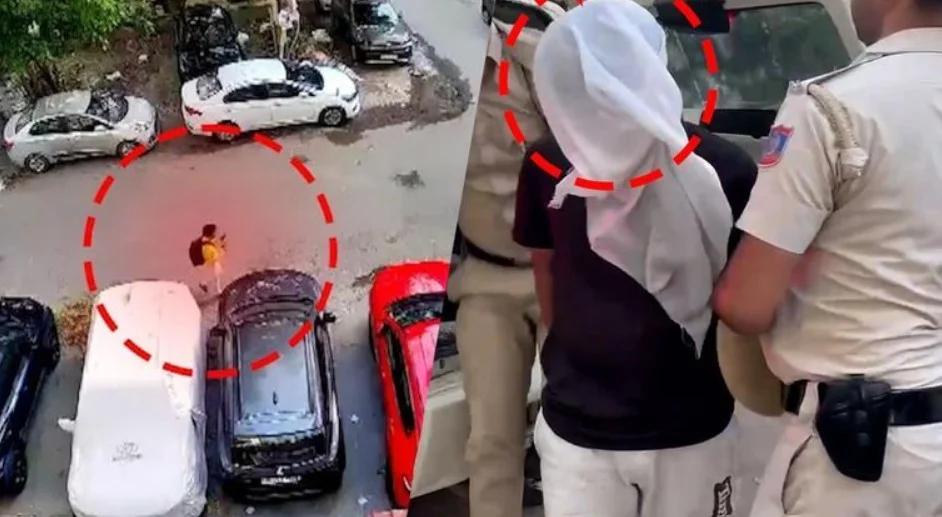


New Delhi, April 23: The arrest of Rahul Meena in the rape and murder of a 22-year-old IIT graduate marks a significant victory for technical surveillance. Delhi Police investigators stated that while the suspect attempted to vanish by not using a personal mobile device, a series of digital footprints eventually led more than 15 police teams to his location at a hotel in Dwarka.
The primary breakthrough came from a stolen handset that Meena had allegedly taken during a prior incident in Alwar, Rajasthan. Despite the lack of a registered SIM card in his name, police asserted that tracking the usage patterns of this device allowed them to establish a rough geographical trail. As the suspect moved through various locations in Rajasthan and Delhi, the device remained active, providing investigators with a consistent technical link.
A more precise location was established through the use of Internet Protocol Detail Records (IPDR). Police noted that after fleeing with approximately Rs 2.5 lakh, Meena accessed the internet via a hotel’s Wi-Fi network. By analyzing the IP logs, technical experts identified the specific network being used, which narrowed the search area to a single building. This data, combined with a social media trail involving Instagram chats with a relative in Gurugram, confirmed his presence in the hotel.
Officials declared that the suspect, a former domestic worker, believed he was untraceable without a personal phone. However, the integration of hotel connectivity data and social media activity proved decisive. The Delhi Police confirmed that the coordination between multiple technical units and field teams ensured the fugitive was apprehended shortly after the crime was discovered.