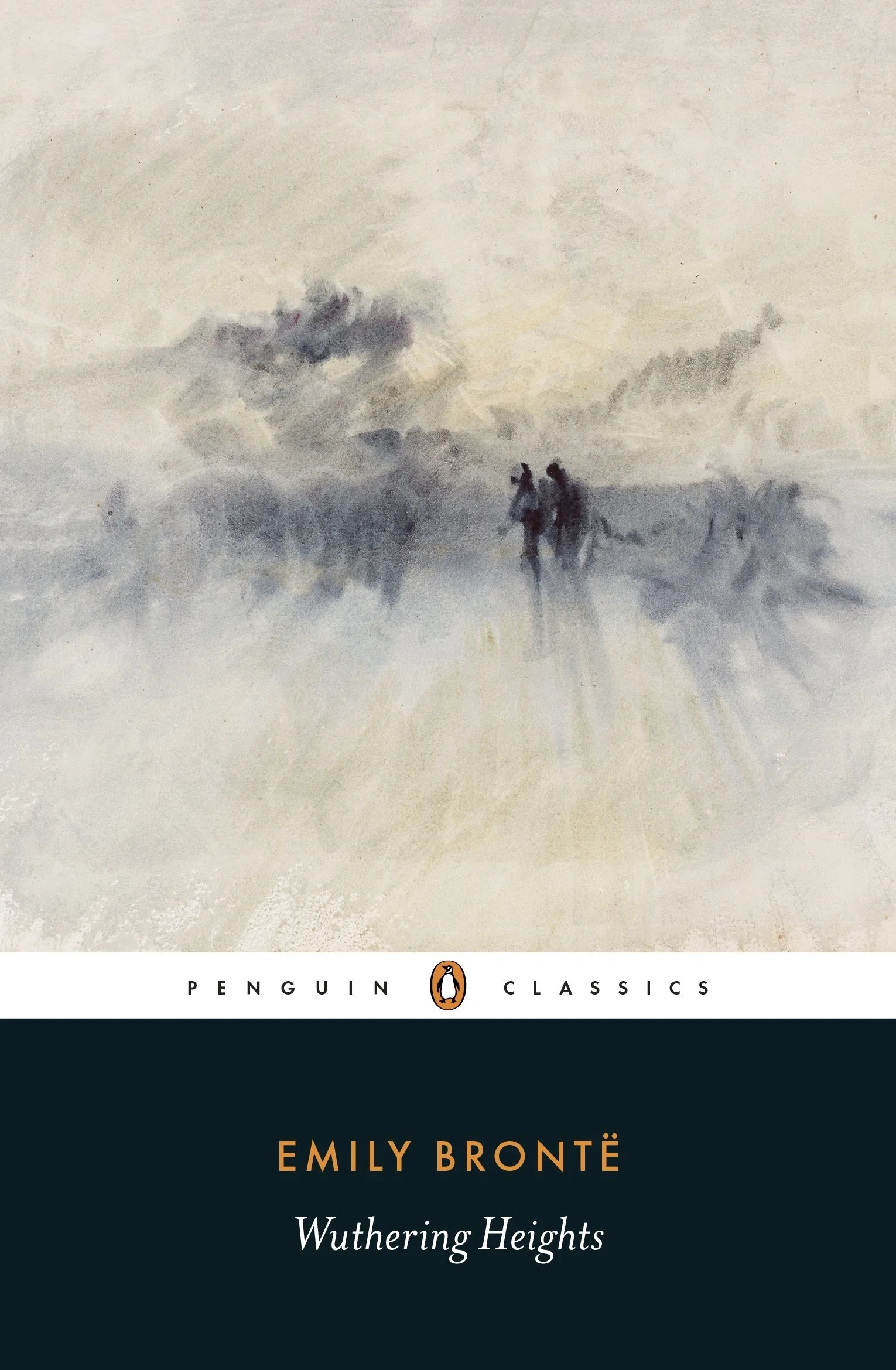


Emily Brontë’s Wuthering Heights remains one of the most haunting and intense explorations of human emotion in English literature. Set against the desolate, windswept backdrop of the Yorkshire moors, the novel is far from a traditional Victorian romance; it is a dark, complex study of obsession, social class, and the destructive nature of unresolved grief.
The narrative centers on the tumultuous relationship between Heathcliff, an orphaned outsider brought to the Earnshaw estate, and Catherine Earnshaw, the high-spirited daughter of the house. Their bond is described as something elemental and beyond physical attraction, famously captured in Catherine’s declaration that she is Heathcliff. However, the rigid class structures of the time and Catherine’s desire for social standing lead her to marry the refined Edgar Linton, sparking a cycle of revenge that spans two generations.
Core Themes and Elements
- The Anti-Hero: Heathcliff stands as one of literature’s most famous anti-heroes. Driven by the trauma of his childhood and the heartbreak of losing Catherine, he transforms into a calculated, vengeful landlord. His actions are often cruel, yet Brontë manages to maintain a sense of tragic empathy for his character.
- Atmosphere as Character: The moors function as more than just a setting; they mirror the internal chaos of the characters. The contrast between the rugged, stormy Wuthering Heights and the civilized, sheltered Thrushcross Grange illustrates the conflict between raw nature and societal expectation.
- Narrative Structure: The story is told through a nested narrative, primarily by the housekeeper Ellen “Nelly” Dean to the tenant Mr. Lockwood. This layering creates a sense of legendary history and allows for biased perspectives, forcing the reader to interpret the “truth” of these intense lives.
Affirmed by critics as a masterpiece of the Gothic genre, the novel was initially controversial for its depictions of mental and physical cruelty. Today, it is celebrated for its poetic prose and psychological depth. Unlike many of its contemporaries, it offers no easy moral lessons or tidy endings. Instead, it leaves the reader with a powerful image of two souls whose connection is so fierce it transcends the grave.
The second half of the book, focusing on the children of the original protagonists, suggests a slow moving toward healing and the breaking of the cycle of hate. It is this balance of relentless darkness and the eventual possibility of peace that secures the book’s place as a permanent fixture in the literary canon.