

Tehran/Washington, June 30: The Iranian Foreign Ministry has dismissed statements by US President Donald Trump claiming that Tehran requested a bilateral meeting in Qatar following a sequence of regional military strikes. Officials in Tehran affirmed that while an expert delegation is traveling to Doha, its sole objective is to manage the recovery of frozen Iranian financial assets rather than engage in direct diplomatic talks with Washington.
The development follows claims made by President Trump that Iran initiated contact for a dialogue in the Qatari capital. US envoys Marco Rubio and Steve Witkoff have concurrently updated lawmakers that their primary diplomatic objective remains securing a comprehensive pact to halt Iran’s uranium enrichment capabilities, amidst legislative scrutiny over oil sanctions and nuclear stockpiles.
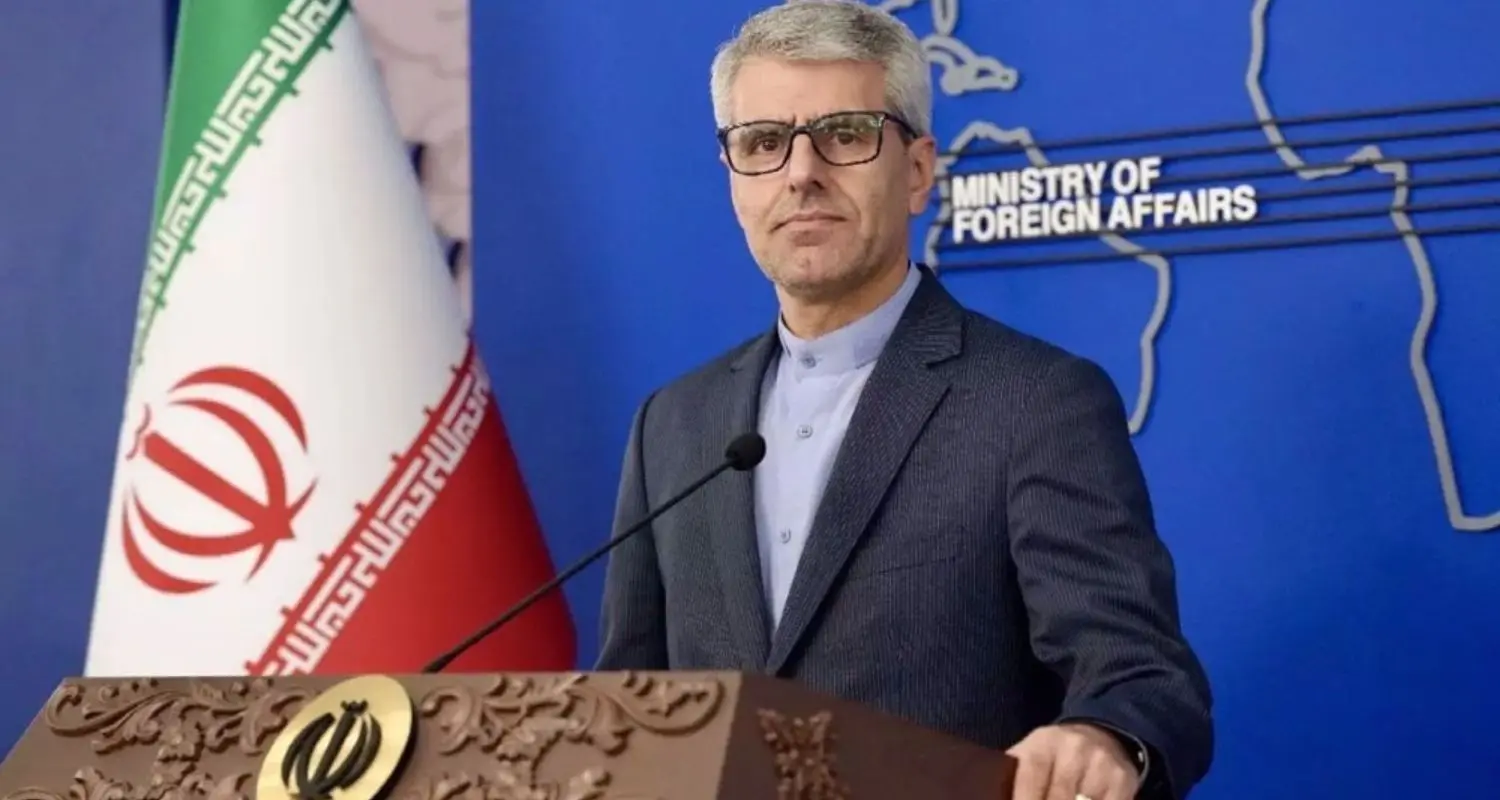
“We have not yet entered the negotiation phase for a final agreement,” Iranian Foreign Ministry spokesperson Esmaeil Baghaei declared in a statement clarifying the country’s diplomatic stance. “As per Article 13 of the Iran-US memorandum of understanding, the commencement of negotiations for a final agreement is conditional on the commencement and continuation of the implementation of Articles 1, 4, 5, 10, and 11.”
Tehran maintains that broader peace discussions are firmly bound to pre-existing conditions outlined in the bilateral memorandum of understanding. Key provisions include Article 1, which positions a Lebanese ceasefire as a foundational element of any final peace accord, and Article 4, which demands the withdrawal of US naval blockades and military assets from the immediate proximity of Iranian territory.
In tandem with setting boundaries on US engagement, Iran asserted its opposition to European maritime initiatives in the region. The foreign ministry rejected a proposed French plan for de-mining operations in the Strait of Hormuz, cautioning Paris that unilateral military or technical interventions risk complicating an already sensitive and volatile security environment.