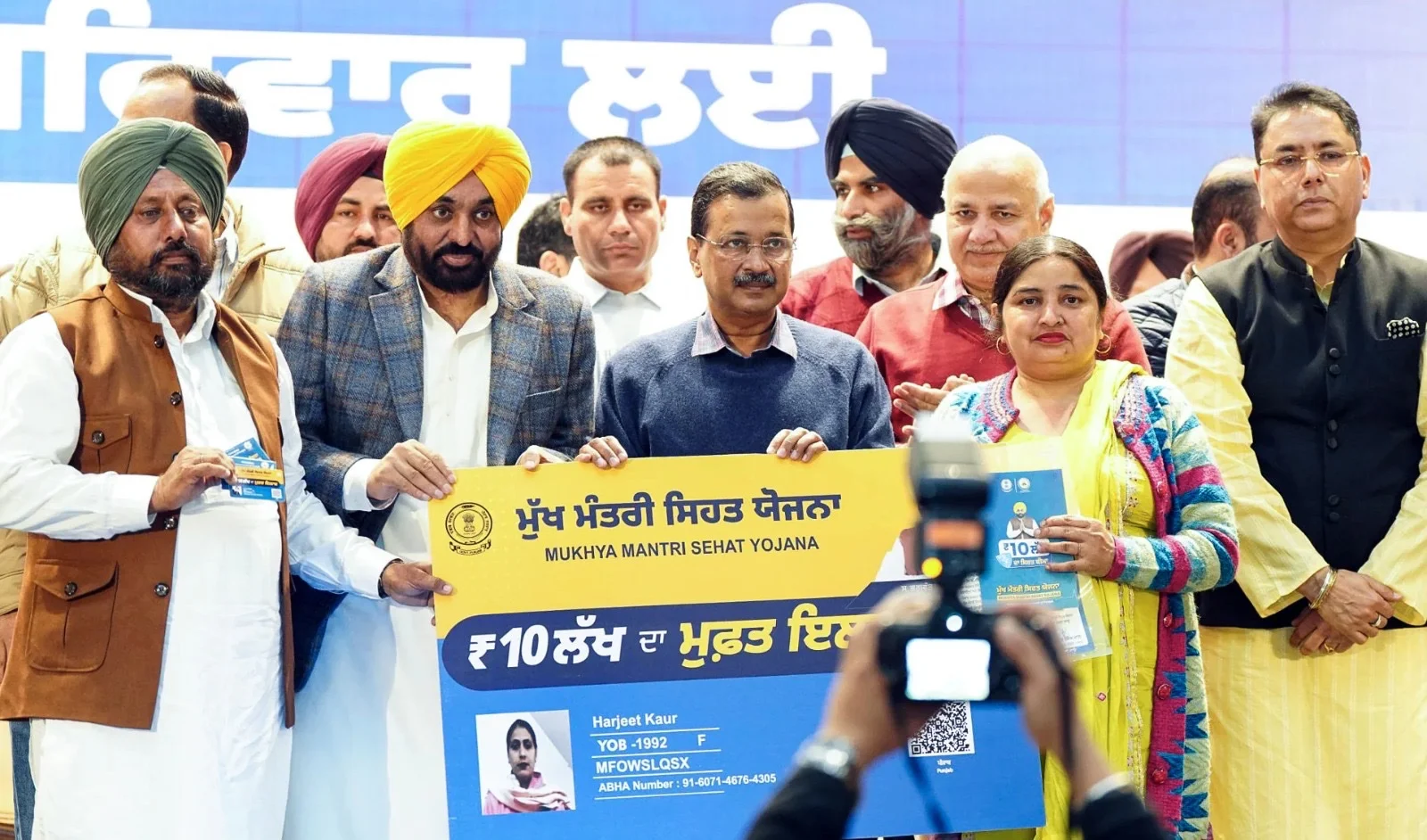


Chandigarh, June 23: A majority of women accessing reproductive healthcare services under the Mukh Mantri Sehat Yojana are securing timely medical intervention within the first eight weeks of pregnancy. Recent data compiled by the State Health Agency reveals that fifty-seven percent of Medical Termination of Pregnancy cases were conducted during this early gestational phase, which clinical experts associate with significantly lower health risks. The expansion of cashless coverage under the state framework has successfully diversified treatment options across a vast network of more than 800 public and empanelled private hospitals.
Administrative records indicate that the state has recorded 323 cashless procedures under this specific category, translating to a welfare expenditure of ₹14.86 lakh aimed at mitigating out-of-pocket costs for families. Health and Family Welfare Minister Dr Balbir Singh affirmed that the strategic expansion of empanelled facilities is intentionally designed to optimize patient pathways and eliminate systemic delays. “Cashless services at government and empanelled private hospitals are meant to ensure timely access and reduce complications associated with delayed intervention,” the Health Minister stated.
Medical professionals have noted that removing financial bottlenecks directly discourages unsafe self-medication practices. Dr Ramita Aggarwal, Senior Consultant Obstetrician and Gynaecologist at Mata Kaushalya Hospital, asserted that proper clinical assessments are vital prior to any medical procedure. The consultant declared that decisions regarding termination are frequently shaped by complex personal, socio-economic, or medical factors, including contraceptive failure, unplanned pregnancies, severe financial constraints, or critical maternal health risks. The streamlined availability of these institutional services ensures that women no longer have to compromise their personal safety due to economic limitations.