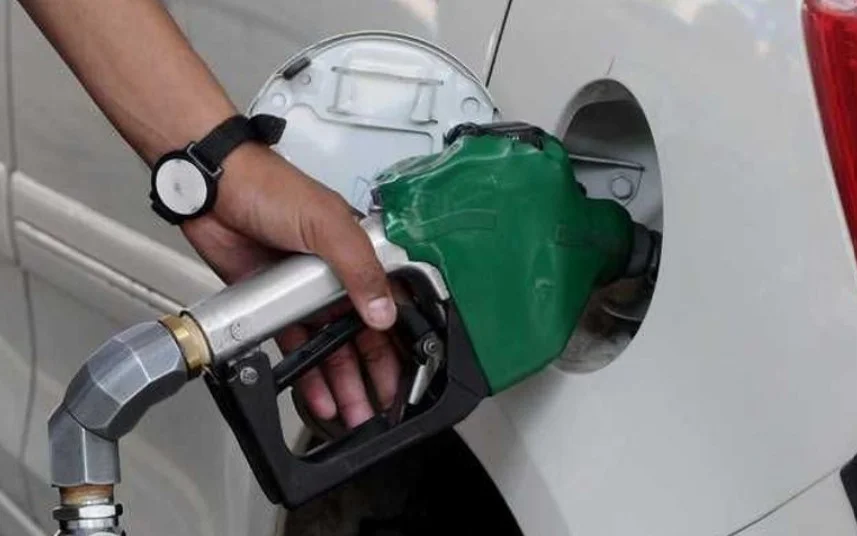


New Delhi, June 12: The Ministry of Petroleum and Natural Gas has introduced a temporary regulatory framework for fuel sales to ensure consistent availability for the public amid global logistics developments. Under the newly issued directive, daily diesel sales for individual vehicles at retail stations have been fixed at a maximum of 200 litres to maintain stable inventory levels across the country.
The Motor Spirit and High Speed Diesel (Temporary Regulation of Supply through Retail Outlets) Order, 2026, stipulates that industrial, commercial, and institutional consumers will procure their fuel requirements directly through dedicated consumer pumps rather than retail outlets. This temporary adjustment, scheduled for an initial duration of up to 90 days, comes after noticeable shifts in purchase patterns where bulk entities utilized retail stations due to the prevailing pricing structure.
While retail diesel is maintained at Rs 95.20 per litre in the capital to insulate general consumers from international market fluctuations, commercial bulk rates reflect global market trends at Rs 134.50 per litre. This variation led to a significant increase in demand at public sector retail pumps, with state-owned oil marketing companies registering a 4.8 per cent rise in petrol volumes and a 6.4 per cent increase in diesel volumes during May.
The central administration asserted that the measures are designed to preserve international supply chains and prevent localized disruptions, thereby ensuring that essential services for the common citizen remain completely unaffected.
The official notification clarified that retail outlets are authorized to dispense diesel exclusively into a vehicle’s primary fuel tank or containers certified by the Petroleum and Explosives Safety Organisation. The order explicitly specifies that fuel procured under these parameters cannot be resold, and state administrations have been requested to monitor compliance closely to prevent hoarding or unauthorized diversion.
To maintain operational flexibility, the government declared that specific exemptions for certain consumer categories or regional transactions may be granted via special administrative orders. Enforcement responsibilities have been extended to public-sector oil marketing firms and local authorities, with guidelines indicating that any non-compliance will be addressed under the provisions of the Essential Commodities Act to maintain market stability.