

CHANDIGARH, July 31 — The Punjab government will open applications in early August for the second cohort of its Leadership in Mental Health Programme, expanding the initiative to cover all twenty-three districts across the state. Operating under the Department of Health and Family Welfare alongside the Data Intelligence and Technical Support Unit, the initiative will recruit ten fellows and seven senior associates to bolster public healthcare infrastructure and community outreach.
The expansion builds on the foundation laid by the first cohort launched in February under the Chief Minister Bhagwant Mann-led Yudh Nashean Virudh initiative. The current thirteen fellows, selected through a competitive process in partnership with the Tata Institute of Social Sciences, Mumbai, are deployed at district hospitals and de-addiction centers. These professionals, possessing expertise in psychology, public health, and social work, undergo intensive training in psychosocial interventions, relapse prevention, and community rehabilitation before serving a two-year tenure.
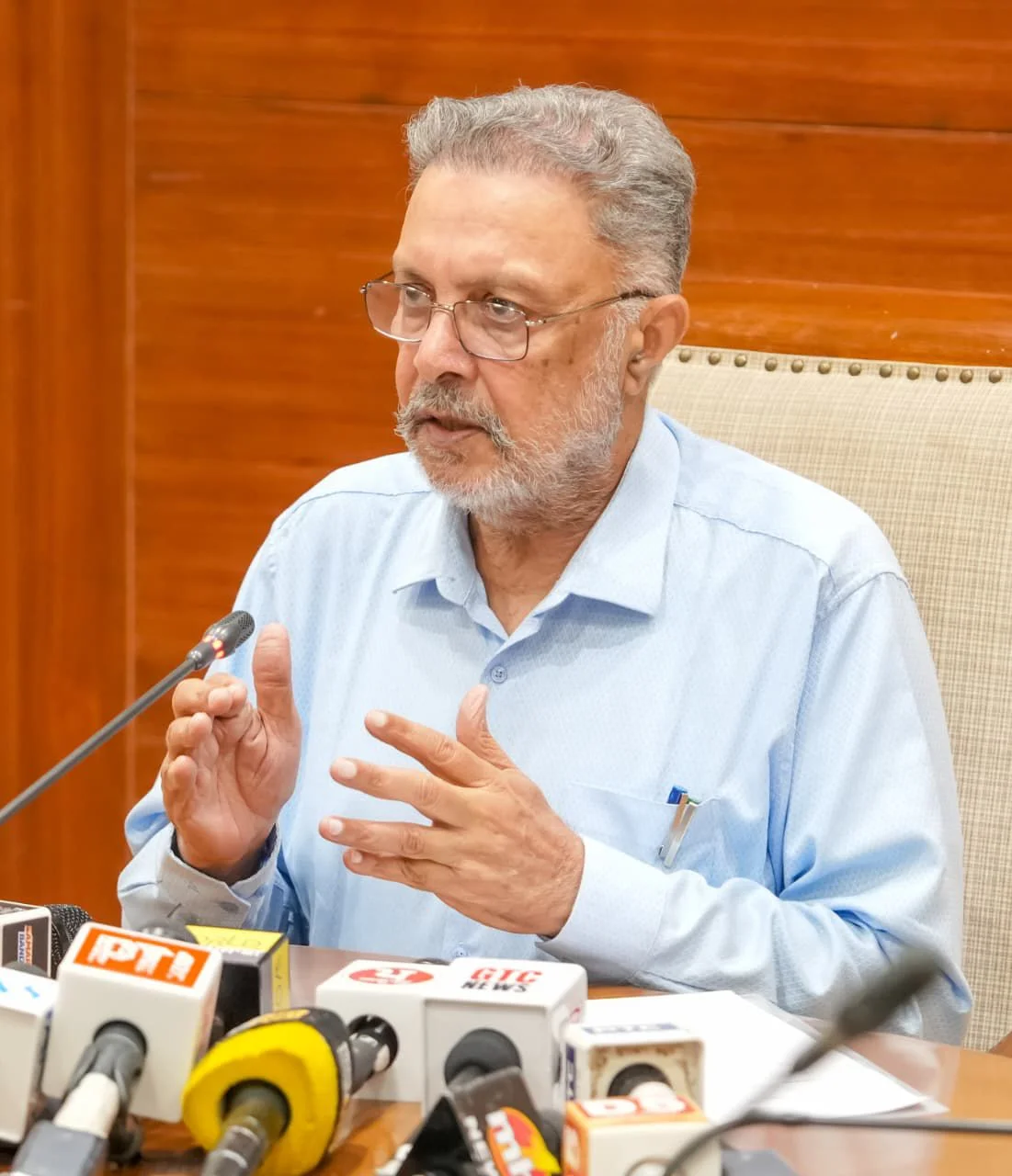
Health Minister Dr. Balbir Singh affirmed the state’s multi-pronged strategy in addressing the crisis. “Yudh Nashean Virudh is not just an initiative against drugs; it is a movement to reclaim Punjab’s youth,” Dr. Singh stated. “While strict action is being taken against drug peddlers and traffickers, we are equally committed to helping every victim of drug abuse return to a life full of dignity and prevent the youth from falling into the trap of addiction. Leadership in Mental Health Programme reflects our belief that making Punjab addiction-free is possible only when enforcement, treatment, and prevention work hand-in-hand and backed by strong healthcare setup and community support.”
At the local level, fellows actively engage with affected families to resolve internal crises, ensure continuity of treatment, and decrease social stigma surrounding rehabilitation. By providing leadership at district healthcare centers and working directly with healthcare staff, the initiative aims to establish long-term institutional practices that focus on healing and long-term recovery.