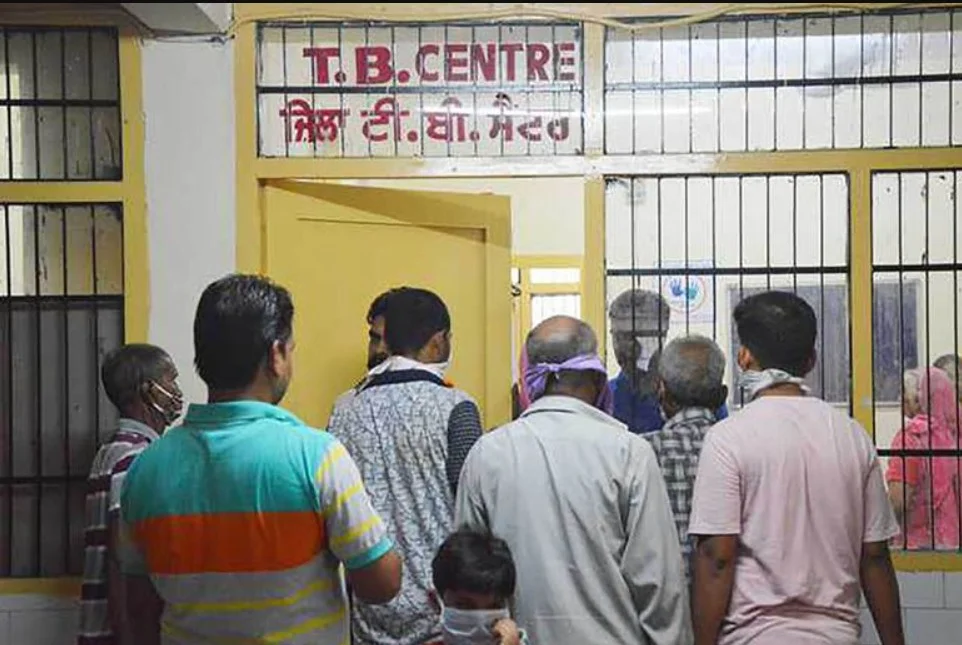


Ludhiana, Feb 23: Ludhiana recorded 13,235 new tuberculosis cases in 2025, marking a significant increase from the 12,000 infections documented the previous year. While health officials attribute the rise to improved diagnostic capabilities, thousands of patients are currently navigating their recovery without promised government financial assistance for nutritional needs.
The Nikshay Poshan Yojana, a scheme designed to provide monthly support of Rs 1,000 for patient diets, has seen a complete halt in disbursements since March 2025. This shortfall in the 60:40 Centre-state funded program has left many vulnerable individuals struggling to maintain the caloric intake necessary for recovery.
District TB Officer Dr. Ashish Chawla affirmed that the increase in recorded cases stems largely from more aggressive screening protocols. He asserted that the introduction of handheld diagnostic tools allowed teams to identify infections in less than an hour without a laboratory.
“Special drives were conducted in factories and several new cases were identified, particularly among migrant workers,” Dr. Chawla declared. Regarding the financial gap, he maintained that the department is pivoting toward community support. “As funds have not been released, we are taking help from NGOs to provide high-protein kits with pulses, eggs and bananas. Recovery depends on both medicine and food,” he stated.
The human cost of the administrative delay is evident among the city’s labor force. Rakesh Kumar, a 45-year-old worker from Salem Tabri, noted that the physical toll of the illness is exacerbated by the lack of resources.
“I was diagnosed in July. Medicines are strong but without proper food, I feel weak all the time. The doctor told me I would get Rs 1,000 every month but I haven’t received a single penny so far,” Kumar asserted.
Civil Surgeon Ramandeep Kaur declared that while the disease is curable, medical intervention must remain the priority. She observed that some patients still turn to traditional faith healing or charms, which only serves to worsen their condition and risk further transmission. She stated that treatment remains entirely free at government facilities and urged the public to avoid delays in seeking professional care.