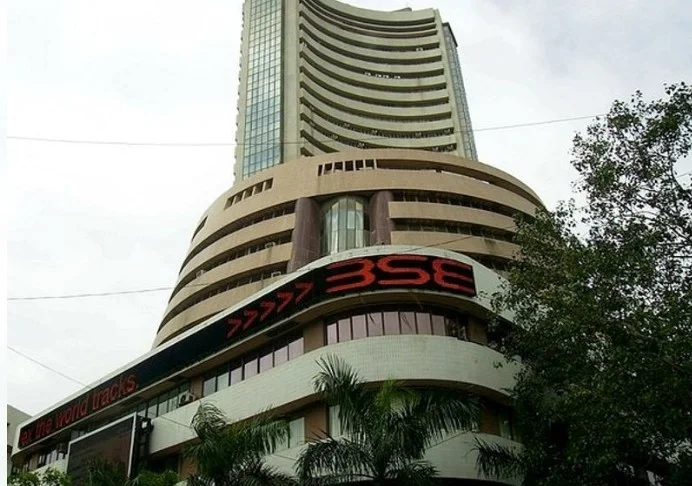


Chandigarh, March 27: Domestic equity markets witnessed a sharp sell-off on Friday, with the Sensex crashing more than 1,400 points as escalating tensions in West Asia triggered widespread risk aversion. The Nifty 50 slipped below the psychological 23,000 mark, trading down 1.60 percent at 22,913.30 by mid-afternoon. Market analysts attributed the decline to a volatile mix of surging crude oil prices, which have climbed above $105 per barrel, and a spike in global bond yields.
Karan Rijhsinghani, Director and Head of Product and Advisory at Atom Privé Financial Services, stated that the sharp dip should be viewed within the broader macroeconomic context rather than as a sign of structural failure. He noted that the India VIX has moved toward the 25 level, signaling elevated uncertainty across the board. Rijhsinghani affirmed that the market has retracted 8 to 10 percent from recent highs since the onset of the Middle East conflict, exacerbated by foreign investors withdrawing nearly Rs 40,000 crore in March alone.
The downturn followed a negative lead from US and Asian markets earlier in the session. Financial experts asserted that while the volatility is high, investors should consider a phased deployment of capital rather than a complete exit. Rijhsinghani maintained that deploying 20 to 30 percent of available funds now, while spreading the remainder over the coming month, could mitigate entry risks.
Portfolio managers suggested a rotation toward large-cap stocks, such as leading banks and IT firms, which typically recover faster than mid-cap segments during geopolitical crises. With inflation risks rising alongside energy costs, experts declared that maintaining a portion of portfolios in liquid funds or cash equivalents remains a prudent strategy for maintaining flexibility in an unstable environment.