

Chandigarh, July 3: Punjab has transformed its classrooms into the primary line of defense against adolescent substance abuse as schools reopen following the summer break. Under the Chief Minister Bhagwant Mann-led Yudh Nashean Virudh campaign, the state administration is deploying a network of trained educators and safe school spaces rather than relying solely on traditional enforcement. This preventive approach focuses on early intervention, emotional resilience, and secure reporting systems to shield students from the dangers of narcotics.
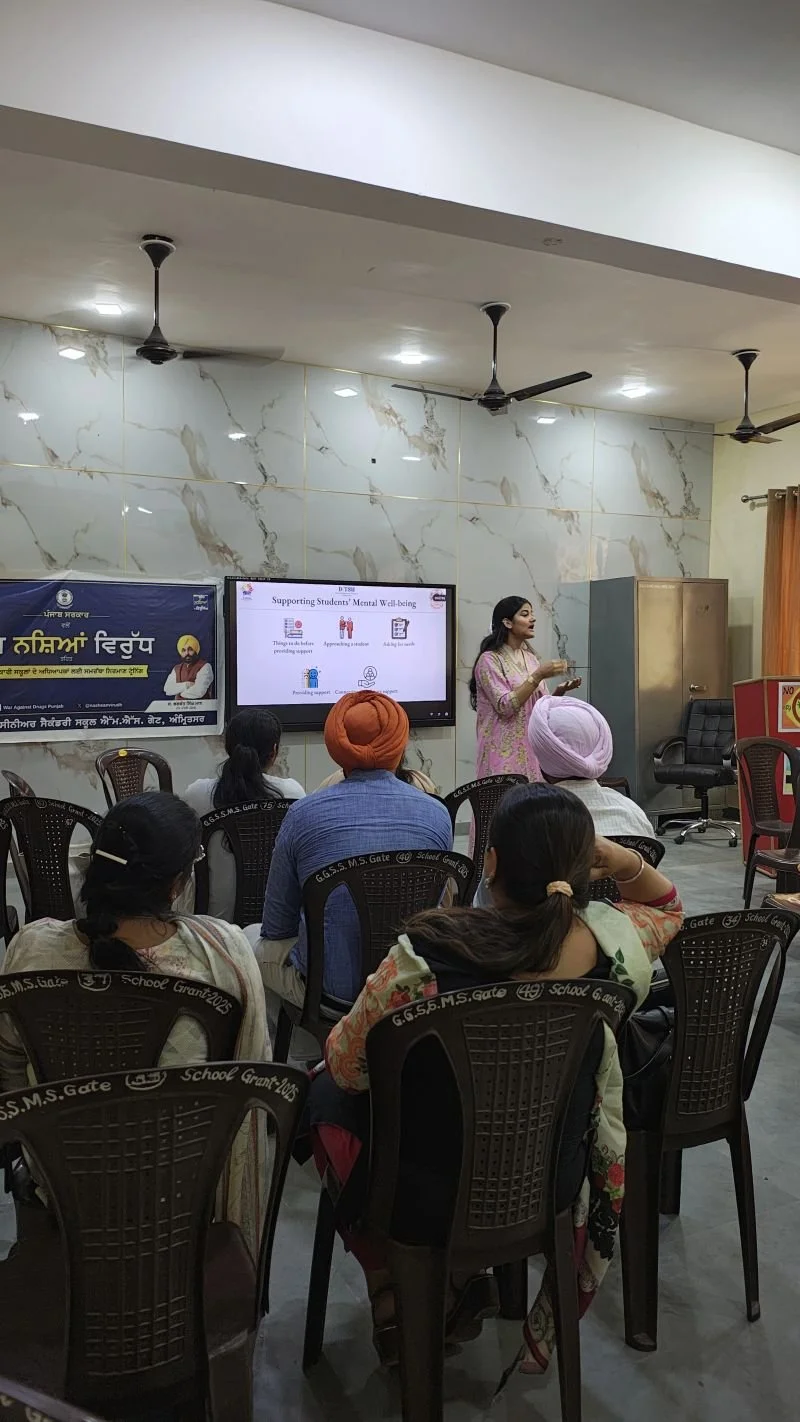
The initiative leverages specialized training and evidence-based study plans to equip school staff with the tools needed to support vulnerable youth. Over 1,400 school heads across nine districts, with a heavy focus on border regions, have undergone sensitization programs developed alongside the Tata Institute of Social Sciences. Additionally, the state has implemented India’s first statewide anti-drug curriculum for older students, reaching nearly eight lakh children across thousands of institutions with practical refusal skills and interactive discussions.
Punjab Health and Family Welfare Minister Dr Balbir Singh affirmed that the administrative goal extends beyond basic warning signs. “Every child saved from addiction is a family protected and a future secured. By making schools spaces where children build their confidence, resilience and life skills, the state is laying the foundation for a much healthier and stronger society. Our objective is not merely to warn children about the dangers of drugs,” the Minister stated, adding that the focus remains on equipping youth with the strength to make informed choices.
The comprehensive strategy also includes wellness measures to address the underlying emotional stress that often precedes substance use. A mandatory morning mindfulness program is being expanded statewide following a successful pilot project in Mohali, where a significant majority of students reported an improved capacity to handle difficult situations. To ensure student safety and encourage open communication, schools are also installing anonymous tipping boxes, allowing teenagers to report concerns about substance use without fear of academic or social reprisal.
Punjab Education Minister Harjot Singh Bains declared that collective dedication is driving the early success of these institutional updates. “Teachers have always played a role in the transformation of society and the CM-led initiatives against drug abuse are already bringing positive results. We have to realise that it is teamwork in which teachers or mentors play a central role,” the Minister maintained. Local educators have also noted enthusiastic participation from students during classroom discussions, signaling a strong cultural shift toward prevention within the state’s top-ranking school system.