

Chandigarh, August 10: Cashless medical interventions under Punjab’s Mukh Mantri Sehat Yojana have crossed a major milestone, with the top ten covered procedures accounting for 2,44,468 treatments valued at more than ₹316.50 crore across the state.
The initiative continues to shield households from financial strain brought on by complex medical procedures. State Health Agency records indicate that chronic haemodialysis accounts for the highest single volume of care, with 1,87,656 sessions delivered at a value exceeding ₹30.65 crore. Laparoscopic gall bladder surgeries form the second most frequent intervention with 17,698 procedures, while total knee replacements reached 10,751 cases, helping elderly citizens restore personal mobility.
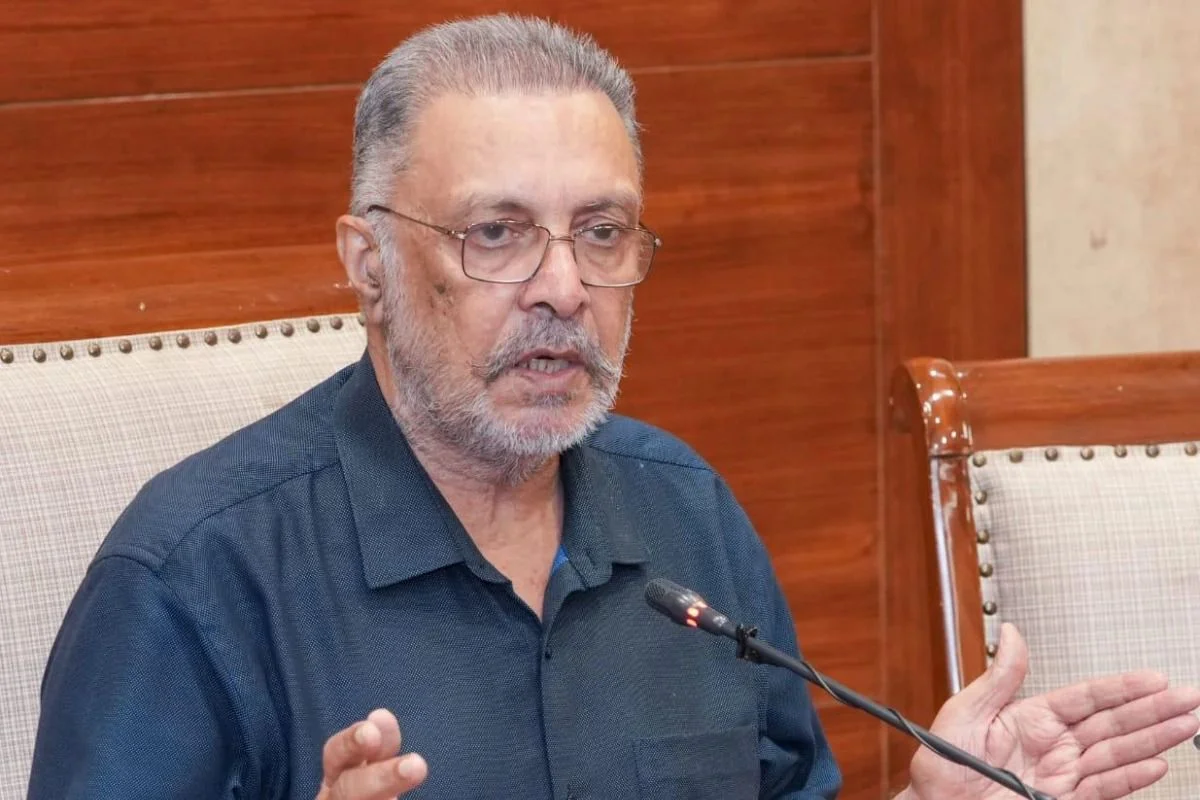
The true measure of any healthcare programme rests not on numbers listed on paper, but on how many families obtain timely treatment without facing financial distress, Health and Family Welfare Minister Dr Balbir Singh affirmed. The success of such a scheme remains visible in the lives it changes, representing thousands of citizens who accessed quality care without hospital bills causing concern, the minister maintained. Whether facing lifelong dialysis, total joint replacement, safe Caesarean delivery, or emergency cardiac care, financial limitations no longer restrict healthcare access, he declared.
Maternal care and advanced cardiac interventions also constitute significant portions of the scheme’s outlay. Cashless Caesarean section deliveries were provided to 9,317 women, reducing financial pressures during childbirth. Heart care facilities provided 8,734 patients with percutaneous transluminal coronary angioplasty paired with diagnostic angiography, alongside 554 coronary artery bypass graft surgeries.
Additional high-cost interventions included 5,770 percutaneous nephrolithotomy procedures for kidney stones, 2,247 lower ureter surgeries, 911 cementless total hip replacements, and 830 radical surgical interventions.
The scope of procedures covered demonstrates the state’s intent to construct a medical system capable of managing intricate and costly conditions rather than basic routine care alone, Dr Balbir Singh added.
The pattern aligns with global trends documented by the World Health Organisation, which reflect sharp rises in long-term conditions like cardiovascular diseases, diabetes, and kidney failure. As access expands, the programme functions as a primary social safety mechanism for households across Punjab.