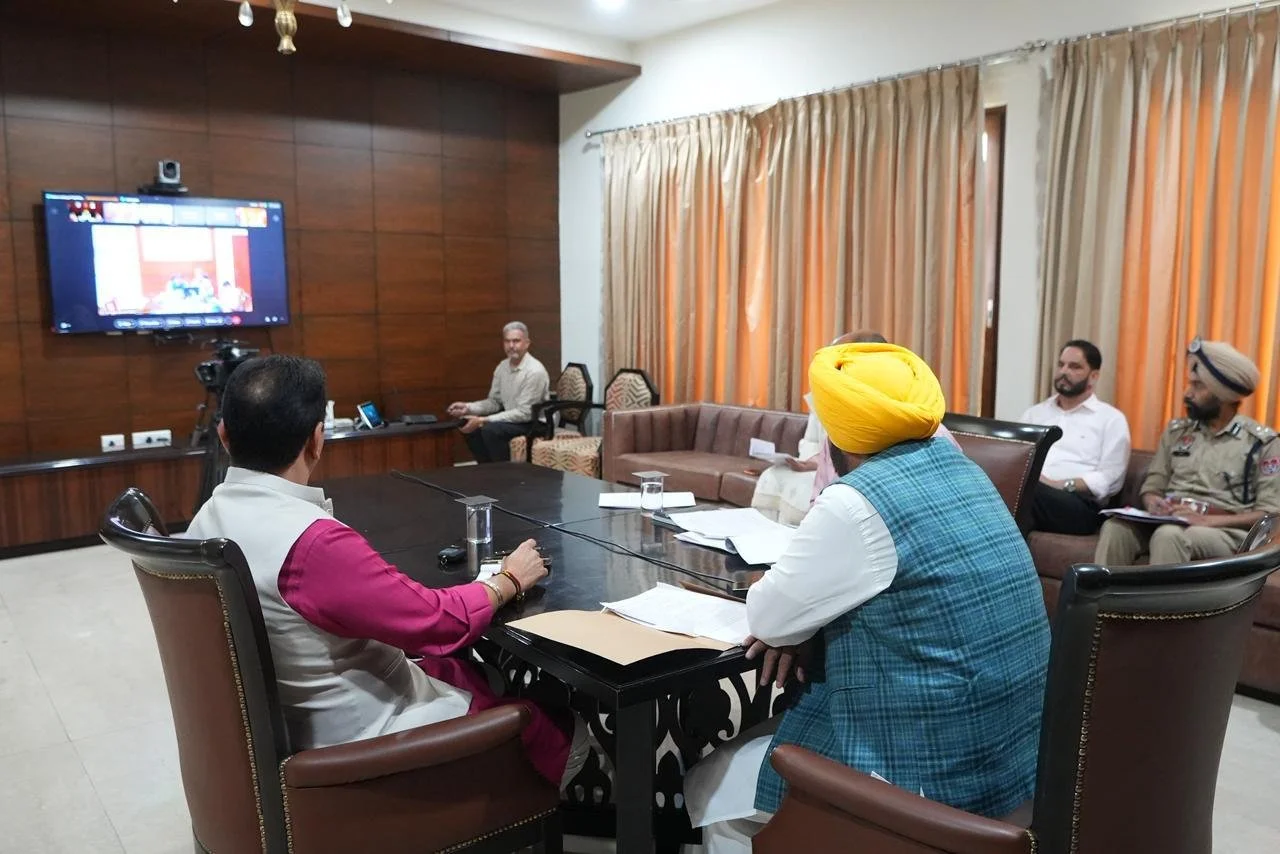


Chandigarh, June 30: The Punjab Government will accelerate its anti-drug campaign, ‘Yudh Nashean Virudh’, to completely dismantle illicit supply networks and protect the state’s youth. Chairing a virtual review meeting from Bathinda with Deputy Commissioners and Senior Superintendents of Police, Chief Minister Bhagwant Singh Mann issued directions to scale up ground-level operations and enhance public participation through grassroots networks.
The administration has expanded the state’s healthcare infrastructure to accommodate a growing number of individuals seeking recovery. The total bed capacity at government-managed rehabilitation and de-addiction centers has been scaled up from 1,500 to 5,000, alongside structural upgrades to guarantee an uninterrupted supply of essential medicines across 565 active treatment clinics.
“Action against drug traffickers is continuing relentlessly under our Zero Tolerance policy,” Chief Minister Mann declared while reviewing the state-wide progress. “Saving Punjab’s youth is our highest priority. The supply line of drugs has already been snapped and the big fish involved in this heinous crime have been put behind bars. However, the momentum of this campaign has to be maintained.”
Local community engagement remains a core pillar of the updated strategy. A massive force of 1.50 lakh citizens has been mobilized into Village Defence Committees, which registered more than 13,000 complaints against illicit traffickers over the last three months alone. District chiefs have been instructed to conduct monthly feedback sessions with these committees while keeping the identities of informants completely confidential.
The state is also introducing rehabilitation initiatives like the ‘Soorma’ project, which trains individuals who have maintained sobriety for over two years to serve as recovery ambassadors. The Chief Minister maintained that pairing public vigilance with expanded medical support will create a sustainable path to guide vulnerable youth toward stable livelihood opportunities.